26 Jan 2026
- 0 Comments
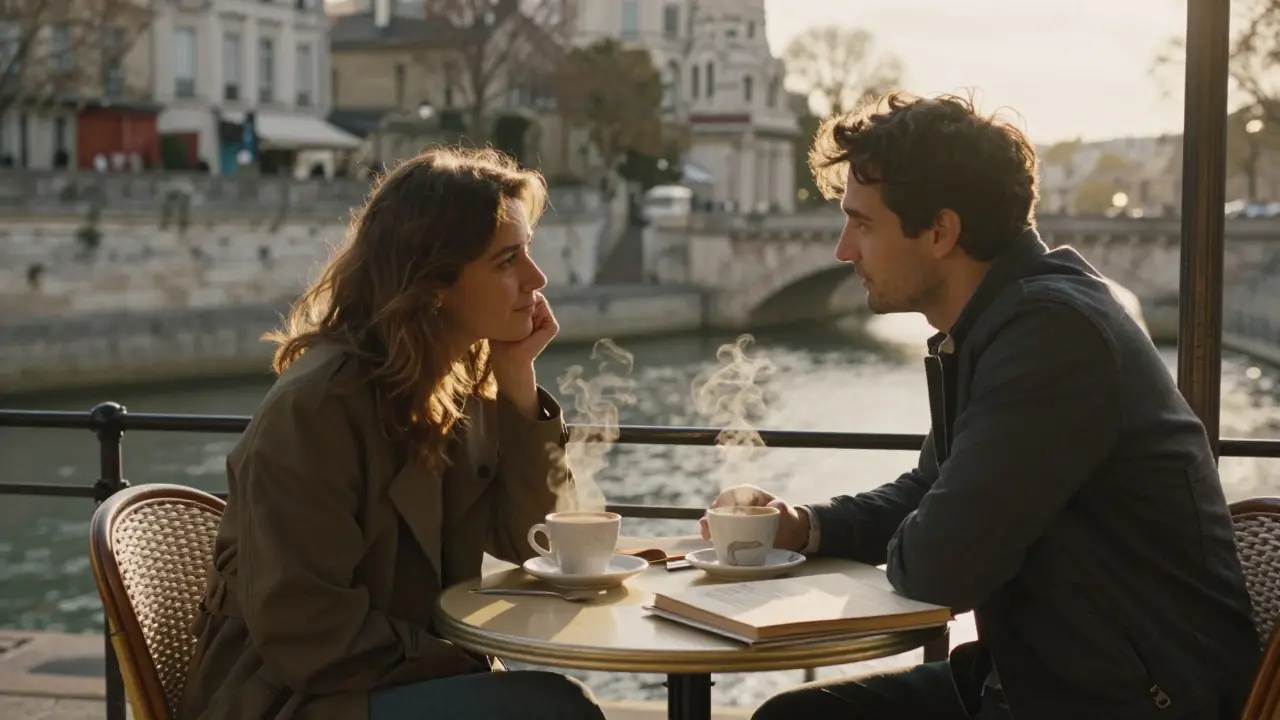
Walking through the quiet streets of Montmartre or sipping coffee near the Seine, you might wonder how to truly connect with someone you’ve hired for company in Paris. It’s not about the price tag or the hour. It’s about the human moment between two people who’ve chosen to be together, if only for a few hours. Many assume these encounters are transactional by nature-but they don’t have to be empty. The art of conversation turns a paid meeting into something remembered, even cherished.
Start by seeing the person, not the service
The biggest mistake people make is treating an escort like a prop. You’re not hiring a voice, a smile, or a pose. You’re hiring a person with a life outside that appointment. Maybe she’s studying literature. Maybe he’s saving for a trip to Japan. Maybe they’re tired of being reduced to a checklist of expectations. The moment you stop thinking of them as an option on a website and start seeing them as someone with stories, the conversation changes.In Paris, many escorts speak at least three languages and have traveled more than most tourists. Ask where they’ve been-not just what they’ve done. Ask what they loved about Berlin, or why they left Lyon. Listen to the pauses in their answers. That’s where the real truth lives.
Ask open questions, not scripted ones
Avoid the usual: “What made you do this?” or “Do you do this often?” These questions feel like interrogations. They put people on the defensive. Instead, try:- “What’s something you’ve seen in Paris that still surprises you?”
- “If you could have dinner with any French writer, who would it be and why?”
- “What’s a small thing here that tourists always miss?”
These questions invite stories, not just answers. They show curiosity, not judgment. One escort in the 16th arrondissement told me she always remembers the man who asked her about the best hidden bakeries-not because he wanted a recommendation, but because he wanted to know what made her feel at home.
Don’t talk about your life like a monologue
It’s tempting to unload your stress, your job, your divorce, your latest business deal. But this isn’t therapy. And it’s not a stage for your performance. If you dominate the conversation, you miss the chance to learn something new.Parisians value balance. Even in paid company, there’s an unspoken rhythm: speak, listen, respond. Give space. Let silence breathe. If you’re talking more than 60% of the time, you’re not having a conversation-you’re giving a presentation.
Be aware of cultural context
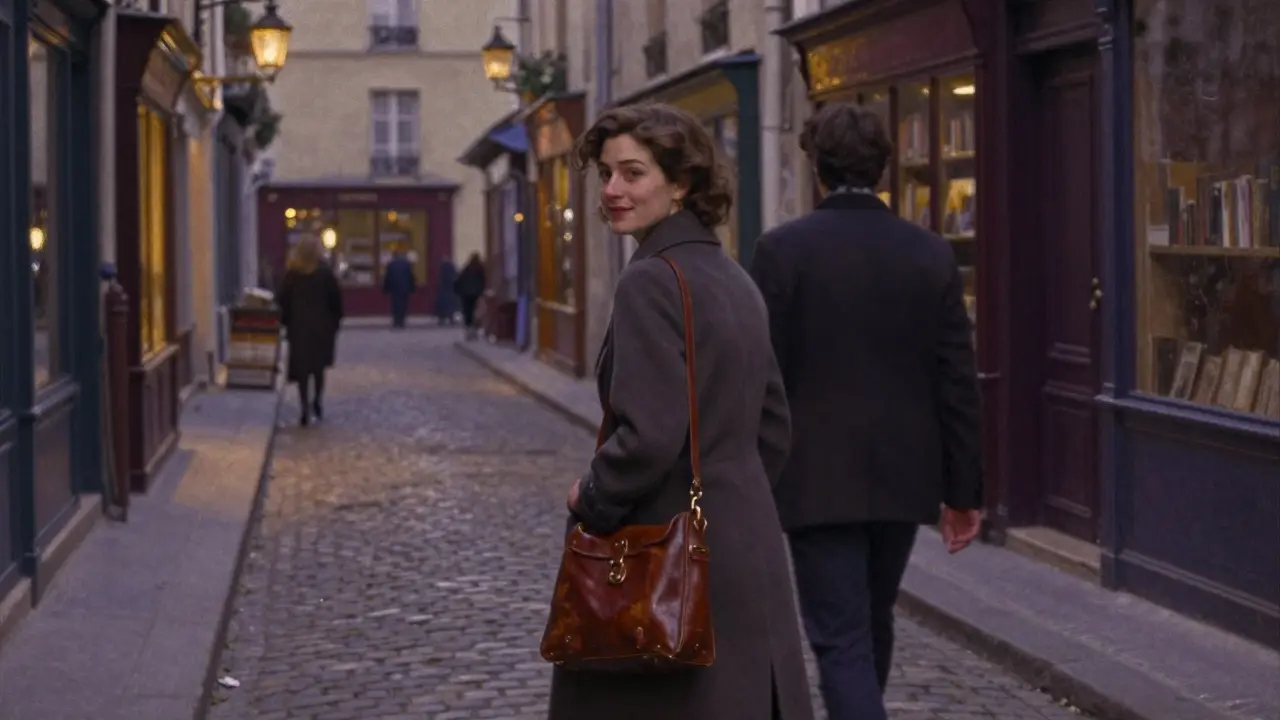
Paris isn’t Las Vegas. The energy here is different. There’s less performative loudness, more quiet intensity. People talk with their eyes. They pause before answering. They don’t rush to fill gaps. If you’re used to fast-paced, upbeat interactions, slow down.Complimenting someone’s outfit is fine. Complimenting their body is not. Talking about politics or religion on the first meeting? Risky. Asking about their family? Only if they bring it up first. Respect boundaries the way you’d respect a museum’s no-flash rule: not because you’re told to, but because you understand the value of the space.
Leave your assumptions at the door
Assume nothing. Don’t assume they’re from Eastern Europe because you saw a photo. Don’t assume they’re lonely because they’re doing this work. Don’t assume they’re all the same because they’re listed on the same site. Every person has a different reason for being here-some for money, some for freedom, some for escape, some for connection.One woman I spoke with in Saint-Germain used to be a classical pianist. She left the conservatory after her father died. She didn’t want pity. She wanted to be seen for who she was now-not who she used to be. That’s the kind of depth you can find here, if you’re willing to look past the surface.

Pay attention to non-verbal cues
A glance out the window. A hand that moves to tuck hair behind the ear. A shift in posture when you mention a certain topic. These aren’t just body language-they’re signals. Learn to read them.If someone leans back, it might mean they’re uncomfortable. If they ask you a personal question in return, they’re inviting you deeper. If they laugh too loudly at a weak joke, they’re trying to ease tension. These are the subtle cues that turn a transaction into a moment.
End with grace, not a script
There’s no rule that says you must say “thank you” or “see you next time.” But there’s power in sincerity. If the conversation meant something to you, say so. Not because it’s expected, but because it’s true.“I enjoyed talking with you” is better than “That was great.” “I’ll remember what you said about the bookshop on Rue Mouffetard” is better than “You were amazing.” Specificity shows you were listening. And that’s rarer than you think.
Leave without demanding more. Don’t ask for a photo. Don’t text them later. Don’t try to turn it into something it wasn’t. Respect the boundary you both agreed to. That’s what makes the experience human.
Why this matters more than you think
In a world where everything is optimized for speed, efficiency, and consumption, choosing to have a real conversation-even with someone you paid-is radical. It’s not about romance. It’s not about fantasy. It’s about recognizing dignity in a role society often ignores.Paris is full of people who’ve been reduced to stereotypes: the French are rude, the tourists are loud, the escorts are desperate. But the truth? People are complex. And sometimes, the most honest conversations happen in the places we’re told not to go.
If you go into this expecting entertainment, you’ll leave empty. If you go in expecting connection, you might leave with something no app can give you: a memory of being truly heard.